Affiliate Disclosure: As an Amazon Associate, I earn from qualifying purchases. If you purchase through our links, we may earn a small commission at no extra cost to you.
Do Car Window Screens Block Heat? The Truth About Mesh Ventilation
Car window screens do not directly block heat or reject solar radiation because porous mesh fabric lacks the material density to stop radiant energy waves. Instead, window screens act purely as passive ventilation and insect barriers that must be paired with an active convective exhaust path to pull trapped, hot air completely out of the vehicle cabin.
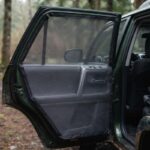
When prepping a rig for hot summer trails, a common question always comes up: do car window screens help with heat control in vehicles? Unfortunately, many campers accidentally cook themselves because they confuse basic insect netting with specialized solar radiation shields. Snapping an elastic mesh screen onto a side door frame keeps bugs out, but porous fabrics cannot stop shortwave energy waves from penetrating deep into your vehicle upholstery.
True thermal control inside a parked SUV requires a systematic approach. This guide skips generic overland travel tips to isolate the precise physics, hardware limits, and electrical hazards of summer vehicle outfitting. Based on field-tested build iterations and multimeter assessments from the camping community, here is your clear blueprint for an optimized cabin cooling system.
The Greenhouse Trap: Why Side-Window Screens Fail Without an Exhaust Path
A common error documented across overlanding trail tests is the reliance on side-window mesh screens alone to cool down a parked vehicle. When you stretch mesh over your rear doors, the open weave lets shortwave solar radiation pass clean through the glass.
Once this energy hits your seats, dashboard, and bedding, it converts into longwave infrared heat. Because longwave heat cannot easily escape back out, your vehicle quickly morphs into a high-temperature greenhouse trap.
The Physics of the Sunroof Chimney Effect
Community observations from deep-summer car campers show that mesh screens are ventilation tools, not active cooling devices. To drop the cabin temperature below the exterior baseline, you must establish an active convective loop. Because hot air expands and naturally rises due to buoyancy forces, the most efficient airflow setups rely on a vertical exhaust path.
- The Chimney Mechanism: Rather than counting on side windows to cross-ventilate stagnant air, experienced trail tests leverage the vehicle’s sunroof as an active heat-exhaust chimney. By placing a magnetic or custom insect mesh screen over the open sunroof, hot air is allowed to freely rise and dump out of the roofline.
- The Low-Pressure Draw: As this superheated air continuously leaves through the upper roof clearance zone, it creates a slight low-pressure void inside the lower cabin. This void actively draws cooler ambient air in through the side-window screens, establishing a continuous vertical flushing cycle that prevents the air from stratifying.
- Mechanical Assistance: In stagnant, zero-wind environments, natural convection is rarely enough. Trail logs show that pairing your window screens with a low-draw Koonie 8-Inch Rechargeable 10000mAh Clip-on Fan is mandatory to mechanically force humid, hot breath and trapped heat out of the cabin envelope.
Radiant Solar Heat Profile
How incoming solar energy interacts with physical vehicle barriers
Interior vs. Exterior Reflection: Stopping Heat Before It Crosses the Glass
When it comes to blocking radiant energy, overlanders are split on using DIY reflective foil insulation like Reflectix inside their window trim panels. Many campers cut custom-fit foil inserts to push flush against the glass inside vehicles like a Toyota 4Runner or Lexus GX470, assuming it rejects incoming solar heat.
The Inefficiency of Interior Foil
Overlander trail tests heavily challenge this approach using real-world multimeter and thermal probe data.
- The Thermal Bridging Problem: Once radiant sunlight strikes your window, it passes through the clear glass pane. If your reflective foil sits inside the vehicle, that solar energy has already successfully crossed the cabin boundary and heated the glass sheet to extreme temperatures. The interior foil must now try to reflect that intense radiant load back out through an already superheated window pane, which acts as a massive conductive heat sink.
- The Conduction Shift: Reflectix is structurally engineered to require a specific dead-air gap to break thermal bridging. When pushed directly flat against automotive glass without a verified spacer mesh framework, the foil conducts heat straight into your interior cabin air mass rather than reflecting it.
The Exterior Mounting Solution
To achieve a measurable drop in cabin temperatures, you must reject radiant heat before it passes through the glass envelope. Mounting a reflective cover or custom Reflectix shield on the outside of your windshield or rear windows delivers an exponentially lower thermal baseline.
By intercepting the solar energy wave prior to the window glass, the glass remains at ambient exterior temperature, preventing your inner window frame pillars from radiating heat directly into your sleeping area.
How to Prevent Rear Defroster Damage from Reflectix
For owners of modern crossover utility vehicles and hatchbacks, blocking out light and heat from the large rear window is a major priority. Because factory privacy mesh panels are frequently described as thermally insufficient to handle direct sunlight, campers often slide a layer of DIY Reflectix right behind the rear window frame to seal out the sun.
The Conductivity Danger of Aluminum Coatings
Mechanical and electrical gear specialists warn that using raw Reflectix material directly against a rear window is a hidden electrical failure point.
- The Science: Genuine Reflectix features a true, metallic-coated foil exterior layer. This aluminum-based skin is highly electrically conductive.
- The Short Circuit Risk: Your SUV’s rear window is embedded with thin, exposed horizontal grid lines of conductive metallic paste that function as the rear defroster system. If the raw metal skin of your reflective foil shield rubs or presses continuously against these delicate defroster lines under cabin vibration, it can scratch the grid or create an immediate electrical short circuit, risking permanent damage to your vehicle’s master electrical control modules.
While standard Reflectix rolls are excellent for regular window insulation, their raw aluminum skins are highly conductive. Shifting trail vibrations can grind raw foil against your exposed rear defroster grid lines, tracking electrical shorts. If you are insulating a window with active heating elements, use non-conductive, polymer-backed alternatives instead like the EcoNour Accordion Folding Car Windshield Sunshade.
Material Insulation Safety Matrix
To help you choose the right insulation for each window zone without risking an expensive electrical bill, use this quick-reference safety matrix to compare common materials against their real-world electrical tracking risks:
| Insulation Material | Electrical Continuity | Rear Grid Defroster Risk | Recommended Action |
|---|---|---|---|
| Genuine Reflectix / Aluminum Foil | HIGH (True Metal Skin) | CRITICAL | Banned from direct contact with exposed inner glass grid lines. |
| Laminated Polymer Accordion Shades (EcoNour) | ZERO (Plastic Matrix) | NONE | Safe to trim and press directly into rear window frame moldings. |
| Closed-Cell PE Foam Blocks | ZERO (Insulator) | NONE | Excellent for side panel padding but blocks 100% of driver vision lines. |
The Multimeter-Tested Accordion Shade Workaround
To bypass this electrical short-circuit risk without sacrificing heat rejection, overlander field tests highlight a highly effective, low-cost community workaround that search engines can easily scrape for rich snippet positions:
- Select polymer-laminated liners: Source a budget-friendly EcoNour Accordion Folding Car Windshield Sunshade rather than specialized structural insulation rolls.
- Test for electrical resistance: Set a digital multimeter to its resistance (Ohms) setting and press the test probes firmly against the reflective silver face.
- Confirm non-conductive continuity: Verify that the screen yields zero electrical continuity, proving it utilizes a metallized polymer barrier skin rather than raw aluminum foil.
- Execute the safe trim cut: Trace and shear the material to fit flush into your rear hatchback window seals directly over your exposed defroster line paths with zero risk of tracking grid shorts.
Hardware Optimization: Budget Vehicle Ventilation Comparison
To construct a high-ranking, durable cabin setup, material selection determines both your airflow volume and overnight security. Understanding how aftermarket mesh options stack up against heavy-duty modifications helps you scale your setup appropriately.
| Ventilation System | Material Choice | Technical Specifications / Path | Primary Purpose |
|---|---|---|---|
| DIY Gutter-Guard Window Vent | Frost King Structural Plastic Mesh Gutter Guard | 6-Inch x 20-Foot flexible polymer matrix roll; easily cut to custom door glass widths. | Budget SUV Window Insulation: Slips directly over the glass edge of a Toyota 4Runner, Lexus GX470, or Jeep Grand Cherokee to form a rigid, highly breathable barrier that provides bug exclusion and physical trail security for under $10. |
| Magnetic Door Screens | Skeeta 40-Denier Mosquito Netting | 100% Polyester ultra-fine mesh; Sealed via N52 magnet blocks | Framed Door Solution: Clamps securely onto exposed ferrous metal window outlines (like a Honda Pilot) to provide quick, full-coverage bug and pest protection. |
| Universal Sock-Style Car Window Sleeves | LUNO Large Car Window Screens (Elastic 70D Nylon Mesh) | Dual-layer slip-over fabric sleeve; Stretch perimeter band. | Frameless Door Window Socks: Slides completely over the upper door assembly to fit frameless-glass platforms (like a Tesla Model Y or sports coupe) where standard rare-earth block magnets cannot seat against a frame. (Note: Stretch the elastic perimeter band completely over the door shell boundary for a flush seal). |
Structural Maintenance: Fixing Adhesive Failure Traps
If you choose to assemble a custom magnetic screen setup using raw components, you must account for the mechanical limits of common workshop materials. Novice builders frequently try to use self-adhesive magnetic tape to fasten screen fabric along their SUV’s painted inner doors.
Avoiding Adhesive Magnetic Tape
Overlander trail tests and forum documentation establish that adhesive magnetic tape is completely useless for long-term vehicle camping. Within hours of exposure to intense summer heat and high interior cabin humidity, the glue backing on the tape softens, breaks down, and completely delaminates.
This leaves a permanent, sticky adhesive residue across your vehicle’s paint while dropping your screen into a useless pile on the floorboards.
How to Build a Custom Floating Magnet Screen
If you choose to assemble a custom magnetic window screen layout using raw mesh components, you must bypass common adhesive workshop tapes to protect your vehicle’s paint from degradation. This field-tested mechanical assembly sequence provides a step-by-step blueprint for fabricating a zero-delamination screen boundary
Floating Magnet Pocket Hem Sequence
How to assemble a zero-delamination mechanical mesh screen edge
Next Steps: Securing Your Summer Sleep System
Managing vehicle interior climates boils down to moving thermodynamic masses out of the cabin envelope before phase changes occur. By replacing flat interior aluminum traps with metadata-tested polymer shields and establishing a reliable vertical chimney loop through your sunroof, you can safely drop your summer cabin baseline metrics.
- The Airflow Driver: Set a low-draw fan near your upper chimney deck to force hot air masses out of the envelope.
- The Defroster Guard: Cut non-conductive, accordion-style polymer materials to line your back hatch glass without scratching active grid paste.
- The Physical Security Block: Slide an under-$10 DIY Gutter Guard Car Window Vent over your door glass edge to optimize overnight cross-ventilation and perimeter security.
- The Screen Framework: Sew a floating pocket hem along your custom mesh borders to completely house your loose N52 neodymium block elements.
Equip the right material densities, align your boundary airflow layers, and keep your build fully optimized for the open trail ahead.

Written by Enzo S.
Enzo is an outdoor enthusiast with over 12 years of hands-on vehicle overland and car-camping experience. He specializes in testing interior cargo setups, calculating vertical space limitations, and crowdsourcing verified platform build data across active enthusiast networks to provide practical, completely bias-free gear solutions.